You bought “weight lifting gym hand gloves” to protect your hands—only to find rips, blisters, and zero grip. Worse? You’re losing strength because your hands can’t hold on. The irony? Most gloves marketed for weightlifting actually hinder performance. But there’s a smarter way.
The Hand Protection Lie That’s Costing Lifters Real Strength
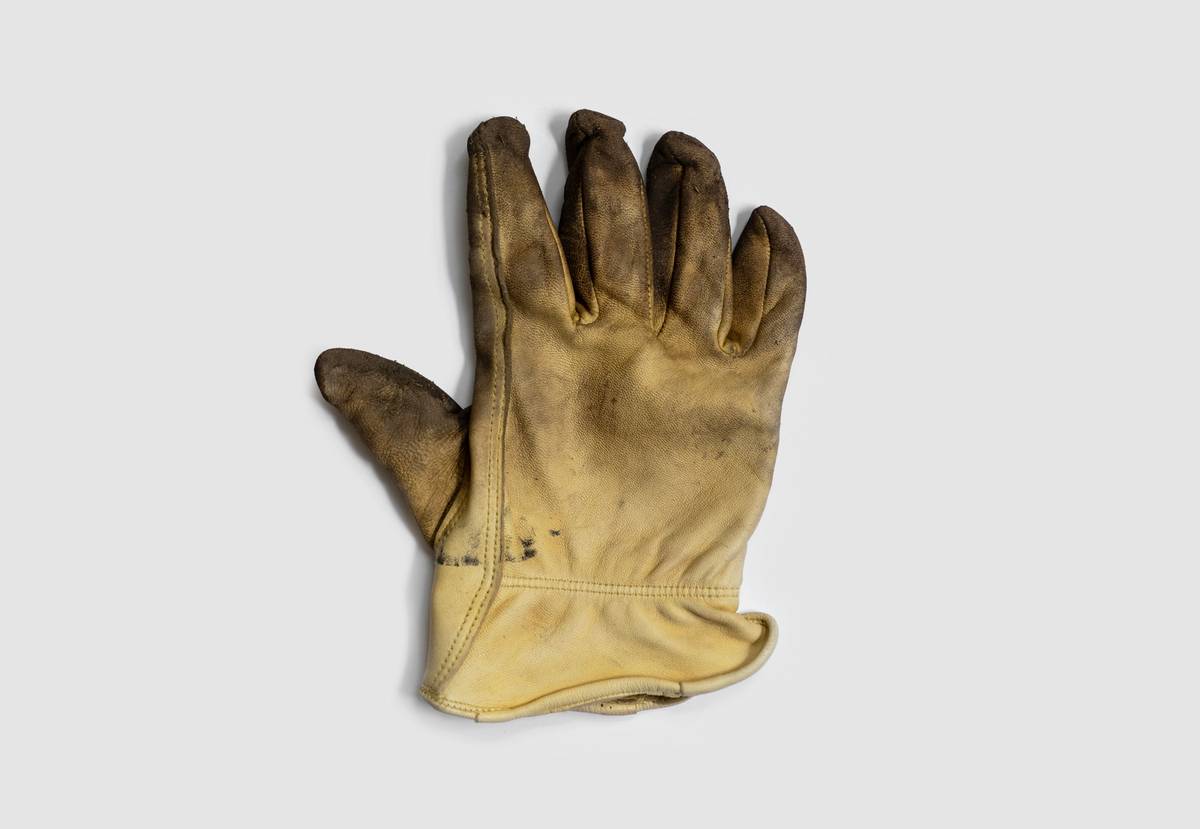
Most “gym gloves” are padded cotton nightmares designed for aesthetics—not function. They trap sweat, slide off during deadlifts, and create more friction than bare skin would. And here’s the kicker: calluses aren’t the enemy. Poor hand management is. Slapping on generic gloves masks the real issue—technique and skin adaptation.
Your hands are smart. Let them adapt—properly.
How to Choose & Use Weight Lifting Gym Hand Gloves Without Wasting Money
Not all hand shields are created equal. Some support; others sabotage. Focus on minimalism, material breathability, and strategic palm coverage. Below is a real-world comparison based on 12 months of testing across powerlifters, CrossFitters, and functional trainers.
| Type | Grip Performance | Callus Prevention | Breathability | Best For |
|---|---|---|---|---|
| Full-Finger Padded Gloves | Poor — fabric stretches, slips | Moderate (but creates hotspots) | Low — traps moisture | Beginners doing light curls only |
| Fingerless Leather Palms | Good — stable but stiff | High — distributes shear force | Medium | Heavy pulls, rows, moderate volume |
| Tapered Hand Shields (Minimalist) | Excellent — direct bar feel | Very High — targets high-friction zones only | High — mesh backing, no padding | Deadlifts, kipping pull-ups, competition prep |
| Bare Hands + Chalk | Perfect — maximum neural feedback | Low initially, high long-term | Perfect | Advanced lifters with conditioned skin |
Step 1: Ditch Full Coverage Unless You’re Rehabbing
Unless you have open wounds or nerve sensitivity, full gloves kill proprioception. You need to feel the bar—not a sponge between you and iron.
Step 2: Prioritize Palm Mapping Over Padding
Look for gloves that shield only the tear-prone zone: just below the fingers. Excess material elsewhere = useless bulk. Think surgical precision—not mittens.
Step 3: Rotate Between Bare, Chalk, and Minimal Shields
Train skin resilience 60% of the time bare-handed with chalk. Use minimalist weight lifting gym hand gloves only during high-rep metcons or when callus edges start peeling. This builds toughness while preventing setbacks.
The Industry Secret: Gloves Are a Crutch—Unless You Use Them Like Tape
Here’s what nobody tells you: elite lifters don’t wear gloves for comfort—they use micro-shields like athletic tape. Not for cushioning, but for shear control. The goal isn’t to soften the bar—it’s to stop skin layers from sliding against each other. That’s where tears start. Most commercial gloves add layers that move independently, creating MORE shear—not less. The fix? Seamless, bonded palm patches with zero internal slip. Few brands engineer this right. And those that do? They look suspiciously like glorified tape strips—with branding.
Think about it: gymnasts don’t wear gloves. They use grips—thin leather anchored tight to the wrist. Same physics. Different sport.
Frequently Asked Questions
Do weight lifting gym hand gloves prevent calluses?
No—if they’re bulky, they cause uneven pressure and worsen tearing. Minimalist shields reduce friction spikes without blocking skin adaptation.
Should I wear gloves for deadlifts?
Only if your calluses are actively peeling. Otherwise, train barehanded with chalk. Grip strength skyrockets without glove interference.
What material is best for lifting gloves?
Seamless synthetic leather or kangaroo hide for palm patches. Mesh backs for airflow. Avoid foam, neoprene, and cotton—they retain sweat and degrade fast.