Your palms split open halfway up the wall. Blood mixes with chalk. You curse your “durable” climbing gloves—again. Standard gear promises grip, but delivers blisters, slippage, or zero sensitivity. Here’s the fix: real hand protection for climbing isn’t about padding—it’s about precision engineering that respects skin biomechanics.
Why Off-the-Shelf Climbing Gloves Sabotage Your Progress
Most climbers grab gloves thinking they’ll prevent rips. They don’t. They create new problems. Thick palms kill tactile feedback—you can’t feel edge micro-features. Synthetic linings trap sweat, softening skin until it shreds like wet paper. And worst? Zero articulation at the knuckles forces unnatural hand postures that strain tendons.
Think about it. Rock doesn’t care about your fashion statement. It demands micro-adjustments, millimeter shifts, instant pressure modulation. Bulky gloves turn your hands into clumsy mittens. The math is simple: more material = less control = more falls.
The Step-by-Step Guide to Choosing Effective Hand Protection for Climbing
Assess Your Climbing Style First
Bouldering? You need minimal coverage—just fingertip and pinch zones reinforced. Sport climbers logging long routes? Prioritize breathability over armor. Trad? Durability matters—but only where rope drag actually hits.
Test Material Responsiveness, Not Just Thickness
Skip anything labeled “heavy-duty.” Go for ultra-thin, abrasion-resistant synthetics like Dyneema® or goatskin leather under 0.8mm. Your glove should feel like a second skin—not a hockey pad.
Prioritize Strategic Reinforcement Zones
Full-palm coverage is overkill. Look for targeted patches exactly where calluses form: base of fingers, thenar eminence (thumb pad), and pinky heel. Everywhere else? Bare mesh or perforated fabric.
| Protection Type | Grip Sensitivity | Rip Prevention | Breathability | Ideal For |
|---|---|---|---|---|
| Fingerless Tactical Gloves | High | Moderate | Excellent | Bouldering, Gym Sessions |
| Full-Palm Leather Gloves | Low | High (short-term) | Poor | Beginners (first 2 weeks only) |
| Zonal-Reinforced Mesh Gloves | Very High | High (long-term) | Exceptional | Sport, Trad, Multi-Pitch |
| No Gloves (Tape Only) | Maximum | Low | N/A | Experts on Familiar Routes |
The Industry Secret: Pros Don’t Prevent Rips—They Manage Skin Turnover
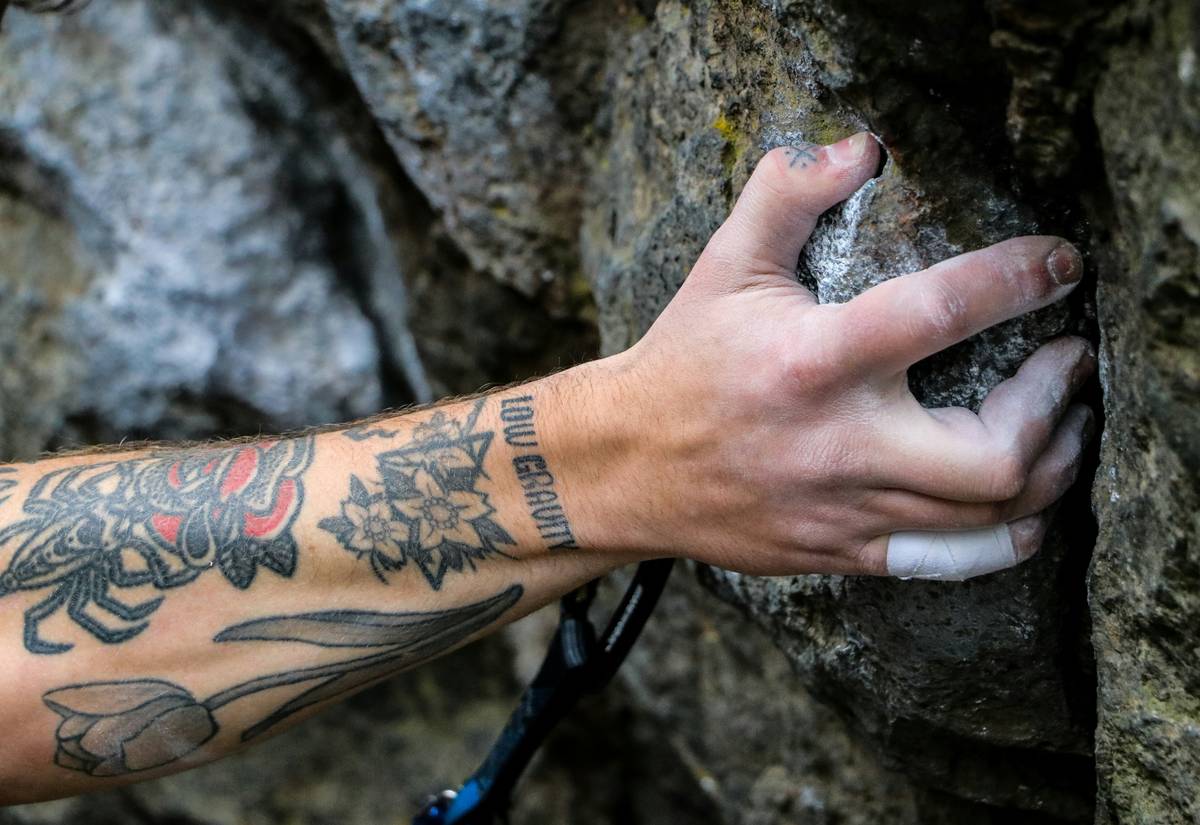
Here’s what no brand will tell you: elite climbers rarely wear gloves. Instead, they use a two-phase skin protocol. Phase 1: file calluses smooth weekly—never let them dome. Phase 2: apply liquid bandage (like New-Skin) to high-stress zones pre-climb. This creates a flexible, second-skin barrier that moves *with* your tissue—not against it.
And yes—they still get minor tears. But because their skin is conditioned, not insulated, healing takes 24 hours, not 7 days. Gloves delay this adaptation. That’s the trade-off nobody admits: comfort now vs. resilience later.
FAQ
Do climbing gloves prevent finger injuries?
No—they mainly reduce palm abrasions. Finger tendon strains come from poor technique, not lack of padding.
How tight should climbing gloves fit?
Snug enough that seams don’t shift during crimping, but loose enough to avoid restricting blood flow. If you see vein bulging, it’s too tight.
Can I wash my climbing gloves?
Hand-wash cold with mild soap only. Never machine dry—heat cracks synthetic fibers and shrinks leather, ruining fit and breathability.