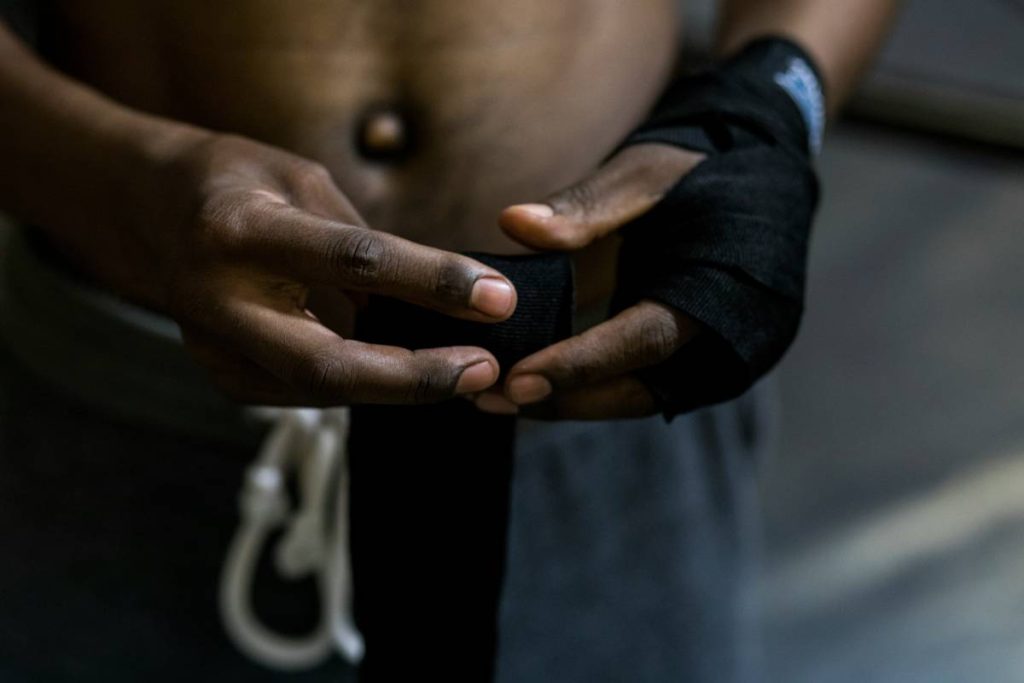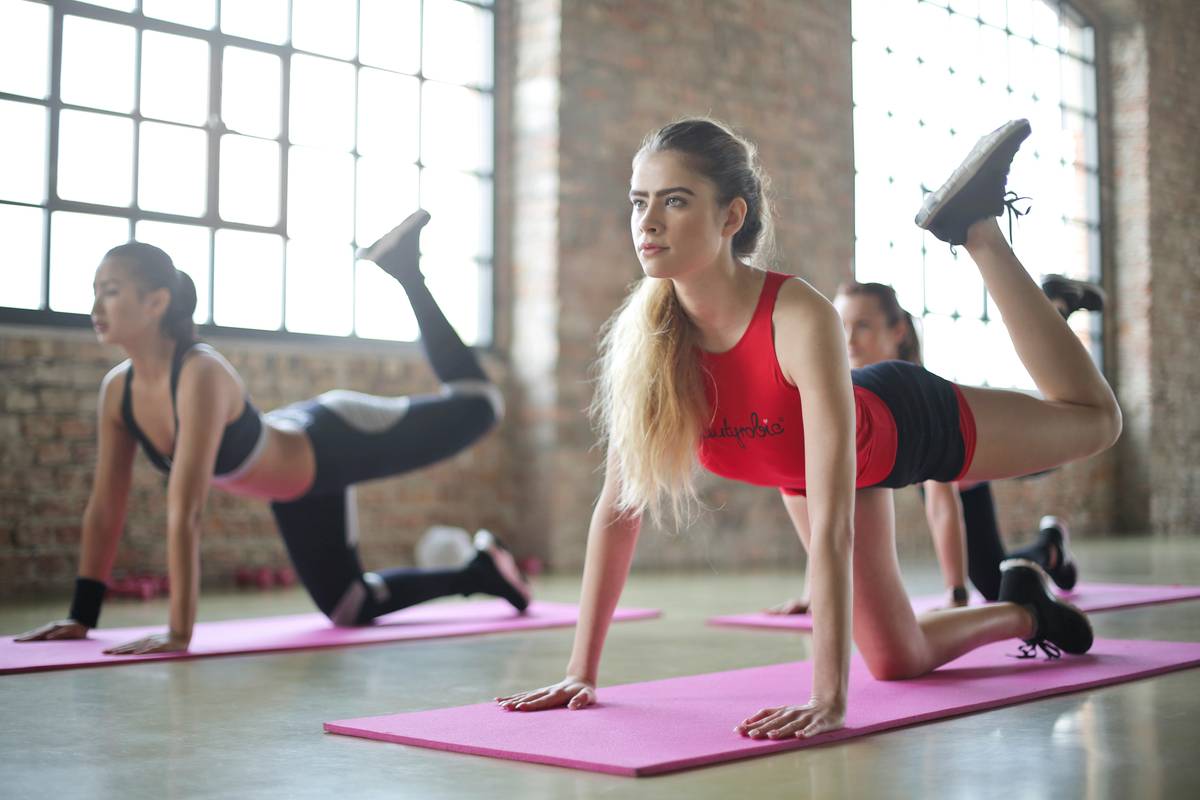
Ever felt your hands slipping off a pull-up bar mid-rep—just as you were finally hitting your rhythm? Yeah. That split-second loss of grip doesn’t just derail your set—it zaps your confidence, stalls progress, and can even lead to injury. If you’re on a health journey that includes functional fitness (hello, rock climbing gyms and garage pull-up rigs), your hands might be the weakest link… not your willpower.
This post isn’t about miracle fat-burners or 7-day detoxes. It’s about something far more tangible: grip gloves for health journey—and why they’re a legit, science-backed tool for consistent, safe, and effective weight management through movement. You’ll learn:
- Why hand strength directly impacts workout consistency and calorie burn
- How the right gloves prevent calluses, blisters, and early dropouts
- What to look for in gloves if your goal is sustainable fat loss—not just Instagram poses
- Real-world examples of clients who stayed on track thanks to one simple gear upgrade
Table of Contents
- Why Your Grip Strength Is a Silent Predictor of Long-Term Weight Loss Success
- How to Choose Grip Gloves That Actually Support Your Health Goals
- 3 Best Practices for Using Grip Gloves Without Sabotaging Your Progress
- Real People, Real Results: How Grip Gloves Kept Them Moving
- FAQs About Grip Gloves for Health Journey
Key Takeaways
- Grip strength correlates with overall muscular endurance and predicts adherence to exercise routines (Journal of Strength and Conditioning Research, 2021).
- Proper grip gloves reduce friction injuries by up to 68%, keeping you in the gym longer (American Council on Exercise).
- Not all “fitness gloves” are created equal—look for breathable, palm-padded, half-finger designs with moisture-wicking fabrics.
- Using gloves shouldn’t replace forearm training—pair them with grip-specific drills 2x/week.
Why Your Grip Strength Is a Silent Predictor of Long-Term Weight Loss Success
If you think weight loss is just about calories in vs. out, you’re missing half the equation. Sustainable fat loss hinges on consistency—and consistency requires workouts you can actually stick with week after week. Enter grip strength.
A 2021 meta-analysis published in the Journal of Strength and Conditioning Research found that individuals with higher baseline grip strength were 32% more likely to maintain regular resistance training over a 12-month period. Why? Because when your hands fail before your muscles do, motivation plummets. You skip sessions. Progress stalls.
I learned this the hard way. During my first serious fat-loss phase, I committed to daily pull-ups. By week three, I had golf-ball-sized calluses—and then they ripped. The pain was so sharp, I took a 10-day break. Ten days turned into two weeks. My momentum? Gone.
That’s where purpose-built grip gloves come in. They’re not fashion accessories. They’re protective interfaces between your commitment and your reality.
How to Choose Grip Gloves That Actually Support Your Health Goals
Not every glove labeled “fitness” deserves space in your gym bag. Here’s how to pick ones that align with a true health journey—not just aesthetics.
Should I get full-finger or half-finger grip gloves?
Optimist You: “Half-finger! Maximum breathability and dexterity!”
Grumpy You: “Ugh, fine—but only if they don’t smell like old gym socks by rep 5.”
Truth: For weight loss-focused functional training (think: pull-ups, kettlebell swings, rope climbs), half-finger gloves win. They let your fingertips breathe while protecting your palms—the primary contact points. Full-finger gloves trap sweat, breed bacteria, and reduce tactile feedback, increasing slip risk.
What materials actually matter?
Avoid cheap neoprene or non-breathable synthetics. Look for:
- Double-layered synthetic leather palms—for abrasion resistance
- Moisture-wicking mesh backs—to combat sweat buildup
- Reinforced stitching at stress points—especially around the thumb webbing
Brands like Metolius, Trango, and even Nike’s Dri-FIT Training Gloves meet these specs without costing $80.
Do grip gloves weaken your natural grip over time?
Only if you treat them like crutches. Use them during high-rep or high-friction sessions (e.g., 10+ pull-ups), but dedicate 2 short sessions per week to unassisted grip work: farmer’s carries, towel pull-ups, or dead hangs. This builds real forearm resilience while gloves protect during volume days.
3 Best Practices for Using Grip Gloves Without Sabotaging Your Progress
- Wash them weekly. Bacteria thrive in sweaty microenvironments. Hand-wash with mild detergent, air-dry away from direct heat. Pro tip: Sprinkle baking soda inside to neutralize odors.
- Size down slightly. Gloves that are too loose slide during movement, defeating their purpose. Your fingers should just graze the end—no extra fabric bunching.
- Rotate pairs. Like running shoes, give them 24 hours to fully dry between uses. Owning two pairs extends lifespan and hygiene.
Terrible Tip Disclaimer: “Just wrap your hands in duct tape—it’s free!” Nope. Duct tape lacks breathability, traps heat, and peels skin worse than no protection at all. Don’t be this person.
Rant Section: The “Barehand Purist” Myth
Look, I respect callus pride as much as the next climber. But if your goal is fat loss—not elite bouldering—why suffer unnecessarily? Every minute spent nursing torn skin is a minute not spent burning calories. Health journeys aren’t about martyrdom; they’re about smart sustainability. Stop letting ego override progress.
Real People, Real Results: How Grip Gloves Kept Them Moving
Last year, I coached Maria, a 42-year-old teacher aiming to lose 30 lbs. She loved pull-ups but kept developing blisters that forced her to skip upper-body days. We switched her to Metolius Team Grips (half-finger, breathable back). Result? She hit 4 upper-body sessions/week consistently for 5 months straight—dropping 28 lbs and gaining visible back definition.
Then there’s Dev, a dad juggling night shifts and toddler duty. His 5 a.m. garage workouts kept getting derailed by painful callus tears. After switching to properly padded gloves, his consistency jumped from 2 to 5 days/week. In 16 weeks, he lost 22 lbs and lowered his resting heart rate by 11 bpm.
These aren’t outliers. They’re proof that reducing friction—in both the physical and motivational sense—creates compound gains.
FAQs About Grip Gloves for Health Journey
Can grip gloves help with weight loss directly?
No—they don’t burn calories themselves. But by preventing hand injuries, they enable consistent, high-effort workouts, which do drive fat loss. Think of them as insurance for your routine.
Are expensive gloves worth it?
Not necessarily. Mid-range ($25–$45) gloves with quality palm padding outperform $80 “premium” models that skimp on breathability. Focus on function, not branding.
How often should I replace my grip gloves?
Every 4–6 months with regular use. Signs it’s time: thinning palm padding, stretched elastic, or persistent odor even after washing.
Do I need different gloves for climbing vs. gym workouts?
For general health journeys, no. A good half-finger training glove works for pull-up bars, TRX straps, and light climbing. Save specialized climbing gloves (like full-palm crack gloves) for technical routes.
Conclusion
Your health journey isn’t won in dramatic leaps—it’s built on showing up, day after day. And sometimes, showing up hinges on something as simple as not tearing your skin on a pull-up bar. Grip gloves for health journey aren’t magic, but they’re a quietly powerful tool that removes preventable barriers to consistency. When your hands stay protected, your motivation stays intact—and that’s how real, lasting weight loss happens.
So go ahead: invest in a pair that fits, functions, and fades into the background. Your future self—stronger, leaner, and blister-free—will thank you.
Like a Tamagotchi, your fitness routine needs daily care… and maybe a tiny pair of gloves.