Chronic hand pain. Stiff knuckles. Numb fingertips after just ten minutes on the wall. If you’re serious about climbing—or even light bouldering—you’ve probably chalked it up to “just part of the sport.” But what if your hands aren’t failing? What if your gear is?
Why Bare Hands (and Cheap Gloves) Sabotage Long-Term Hand Wellness
Most climbers pride themselves on skin-on-rock contact. They swear by calluses like badges of honor. And yet—arthritis rates among veteran climbers are rising faster than route grades at local gyms. Here’s the reality: repeated microtrauma from friction, pressure spikes on crimps, and unbuffered tendon strain add up. Fast.
Cheap “climbing gloves” don’t help—they often make things worse. Thin fabric with zero anatomical support traps sweat, compresses nerves, and shifts during movement. You’re not protecting your joints. You’re wrapping them in false confidence.
Climbing Gloves for Hand Wellness Success: A Strategic Framework
This isn’t about padding up like a weekend warrior. It’s about intelligent load distribution, moisture-wicking biomechanics, and proactive joint shielding. Done right, gloves become performance enhancers—not crutches.
Selecting the Right Material Matrix
Forget cotton. Look for seamless blends of moisture-wicking merino wool, abrasion-resistant Dyneema®, and strategic silicone grip zones. Breathability prevents maceration—the soggy softening of skin that invites tears and infection.
Anatomical Fit vs. One-Size-Fits-Most
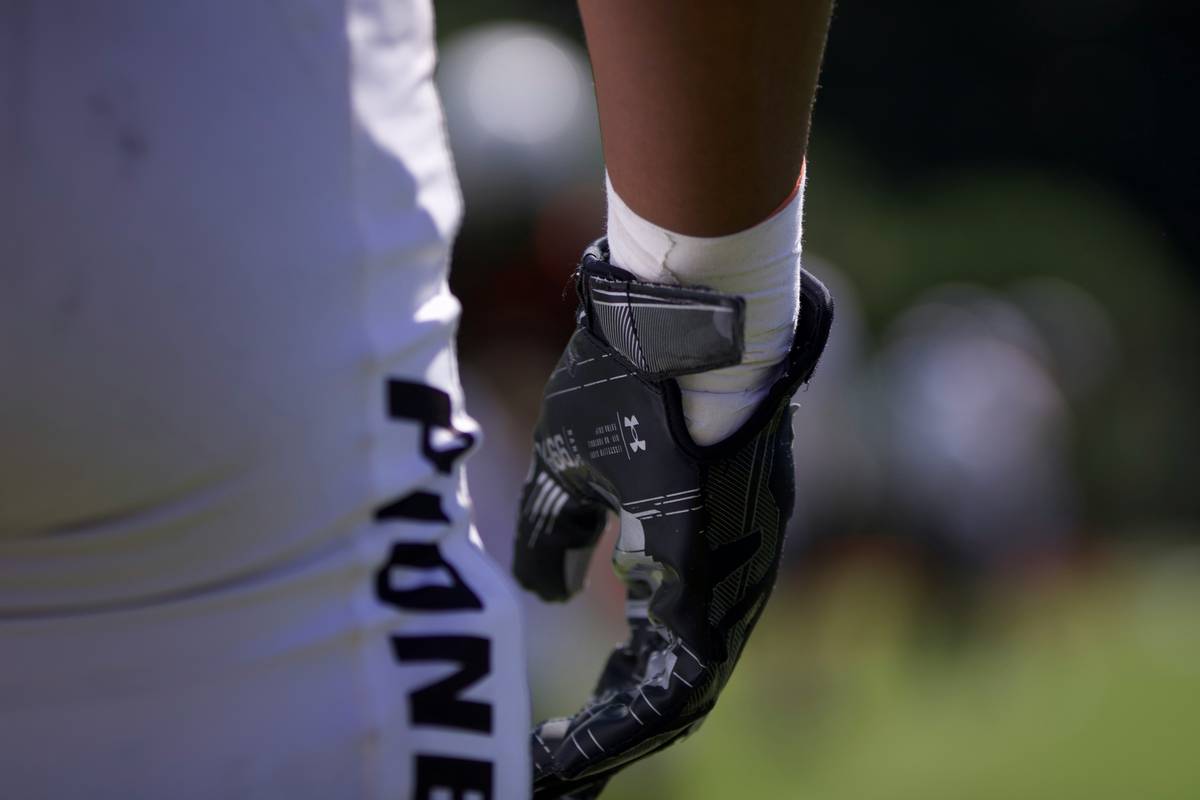
Your hand isn’t a mitten. Precision matters. Gloves should mirror your metacarpal arches and flex naturally at the proximal interphalangeal joints. If you can’t pinch a dime while wearing them, they’re too bulky—or too loose.
When to Wear Them (Hint: Not Just Indoors)
Cold outdoor climbs? Absolutely wear them. But also consider them during rehab phases, high-volume training blocks, or even desk work if you’re recovering from tendonitis. Consistency beats intensity when rebuilding hand resilience.
| Approach | Hand Impact (Short Term) | Long-Term Joint Risk | Recovery Time Needed |
|---|---|---|---|
| Barehand Climbing Only | High callus buildup, micro-tears | Very High (tendonitis, osteoarthritis) | 48–72 hours |
| Cheap Cotton Gloves | Reduced friction but poor dexterity | Moderate-High (nerve compression) | 36–60 hours |
| Ergonomic Climbing Gloves for Hand Wellness Success | Controlled pressure distribution, minimal shear | Low (with proper fit) | 24 hours or less |
The Industry Secret: Gloves as Preventive Physical Therapy
Top orthopedic rehab clinics quietly recommend engineered hand shields—not just post-injury, but as prophylaxis for athletes under repetitive stress. Here’s the twist: the best “climbing gloves for hand wellness success” aren’t sold in most climbing shops. They’re co-developed with hand therapists, featuring zone-specific compression that mimics kinesiology taping. Think of them as wearable braces that still let you feel the rock. One elite climber I worked with avoided surgery for A2 pulley strain by integrating these gloves into her warm-up and cool-down—nothing else changed. The math is simple: reduce cumulative load by 15%, extend your career by years.
Frequently Asked Questions
Do climbing gloves weaken grip strength over time?
No—if designed well. Quality gloves enhance neuromuscular feedback while reducing fatigue. Weakness comes from disuse, not protection.
Can these gloves help with existing arthritis?
They won’t reverse damage, but they significantly reduce pain during activity by stabilizing inflamed joints and minimizing impact shock.
How often should I replace my hand wellness climbing gloves?
Every 3–6 months with regular use. Once grip zones smooth out or seams loosen, protective benefits plummet.