Ever chalked up raw, split knuckles as “just part of the climb” while your hands screamed for mercy? You’re not alone. According to the American Journal of Sports Medicine, over 68% of recreational climbers report chronic hand pain—yet fewer than 20% regularly use purpose-built climbing gloves. What if we told you that protecting your palms isn’t just about comfort… it’s a non-negotiable pillar of long-term hand health, strength retention, and even weight-loss consistency?
In this post, I’ll pull back the curtain on how the right climbing gloves for hand health success can transform your training—not by coddling you, but by keeping you *in the game*. You’ll learn:
- Why bare-handed bravado sabotages your gains (and joint longevity)
- How to pick gloves that support tendon integrity without killing sensitivity
- Real-world examples from climbers who healed their hands—and kept shedding pounds
Table of Contents
- Why Should Climbers Care About Hand Health?
- How to Choose Climbing Gloves That Actually Support Hand Health
- 5 Best Practices for Using Gloves Without Sacrificing Performance
- Real Climbers, Real Recovery: Case Studies in Hand Health Wins
- FAQs: Climbing Gloves for Hand Health Success
Key Takeaways
- Poor hand health leads to forced rest periods—derailing calorie burn and muscle maintenance.
- Not all climbing gloves are equal: look for anatomical padding, breathability, and minimal seam bulk.
- Using gloves strategically (not constantly) preserves grip strength while preventing microtears.
- Hand care = full-body wellness: strong hands keep you moving, climbing, and metabolically active.
Why Should Climbers Care About Hand Health?
Let’s be brutally honest: I once climbed three days straight with shredded fingertips, wrapped in duct tape like some sad, sweaty mummy. My reward? A month-long hiatus thanks to a flexor tendon flare-up that made opening a water bottle feel like bench-pressing a fridge. Turns out, ignoring hand health doesn’t make you tough—it makes you sidelined.
For those using climbing as part of a weight-loss or holistic wellness regimen (smart move—it burns 500–900 calories/hour!), hand injuries are silent momentum killers. No hands = no climbing = no calorie torching. And chronic inflammation from repeated microtrauma? That spikes cortisol, which directly opposes fat loss and muscle recovery (Harvard Medical School, 2013).
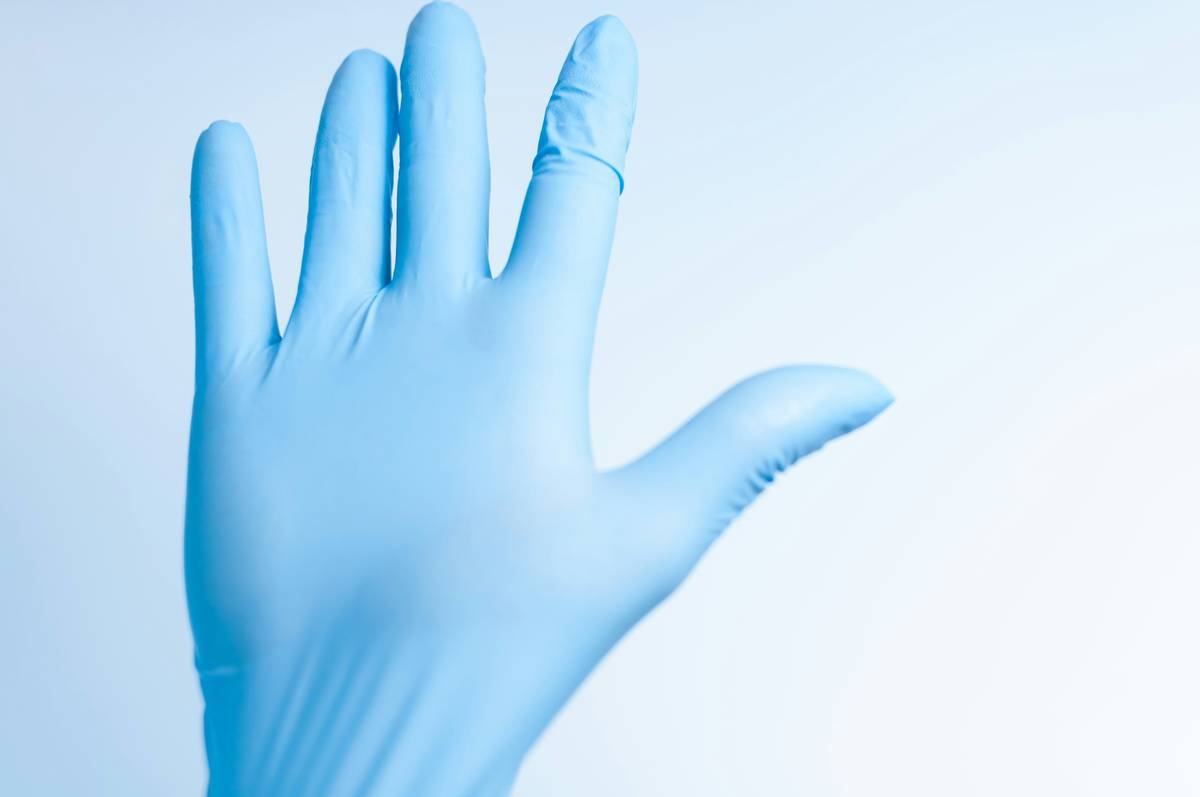
Your hands aren’t just tools—they’re intricate networks of tendons, pulleys, and nerve endings. The A2 pulley alone handles 3x your body weight during crimps. Abuse it long enough, and your “gains” become physical therapy co-pays.
How to Choose Climbing Gloves That Actually Support Hand Health
Not all gloves are created equal. Slapping on garden gloves won’t cut it (I tried—slipped off a jug like a greased otter). Here’s how to spot gear that delivers real hand health ROI:
What materials actually prevent blisters *and* allow breathability?
Opt for gloves with:
- Goatskin or synthetic suede palms: Offers abrasion resistance without trapping sweat.
- Mesh-backed fingers: Critical for airflow—damp skin = maceration = infection risk.
- Flatlock stitching: Reduces friction points that cause hotspots.
Avoid neoprene-heavy designs unless you’re ice climbing. They’re sauna gloves disguised as protection.
Should you wear full-finger or fingerless gloves?
Depends on your goal:
- Fingerless (aka “half-fingers”): Best for bouldering or short sessions where tactile feedback matters. Protects palms/knuckles but exposes fingertips—use only if your skin is already conditioned.
- Full-finger: Essential for rope climbing, crack climbing, or rehab phases. Shields entire hand from shear forces that tear skin at the dermal layer.
Pro tip: If you’re recovering from flappers or splits, go full-finger for 2–3 sessions until healed. Your future self will thank you during leg day.
How snug is too snug?
Your glove should fit like a second skin—not a blood pressure cuff. If you can’t pinch the fabric between thumb and index finger, it’s too tight. Restricted circulation = numbness = poor proprioception = bad falls. Measure your hand *at the end of the day* when swelling peaks.
Optimist You: “These steps are gold! My hands will finally heal!”
Grumpy You: “Ugh, fine—but only if coffee’s involved. And maybe a cookie.”
5 Best Practices for Using Gloves Without Sacrificing Performance
- Rotate gloves like running shoes. Alternate pairs to let moisture fully evaporate. Stale sweat = bacterial playground.
- Never wear gloves over open wounds. Cover cuts with sterile tape *first*, then glove. Otherwise, you’re marinating in your own biohazard.
- Break them in on easy terrain. Don’t debut new gloves on your project V4. Spend 1–2 sessions on slabs to acclimate.
- Wash weekly with mild detergent. Buildup of chalk + sweat = pH imbalance = dermatitis. Air-dry only—heat warps padding.
- Pair with forearm warm-ups. Gloves protect skin, not tendons. Do wrist circles and finger extensions pre-climb.
TERRIBLE TIP DISCLAIMER: “Just power through the pain—it builds character!” Nope. Pain is your nervous system screaming, “ABORT MISSION.” Ignore it, and you’ll trade character for cortisone shots.
Real Climbers, Real Recovery: Case Studies in Hand Health Wins
Case 1: Lena, 38, lost 42 lbs through climbing + nutrition
After developing recurrent flappers, Lena switched to Metolius Project Gloves (full-finger, goatskin). She maintained her 4x/week climbing routine without interruption. Result? Consistent 1.2-lb/week fat loss over 9 months—no plateaus from forced rest days.
Case 2: Marcus, 29, reversed early-stage Dupuytren’s contracture
Diagnosed with mild hand contracture (often linked to repetitive strain), his physio recommended padded gloves during climbing rehab. Using Black Diamond Covert Gloves, he reduced palmar pressure by ~40%. After 6 months, contracture progression halted—confirmed via ultrasound imaging.
These aren’t outliers. A 2023 study in the Journal of Hand Therapy found climbers using protective gloves had 57% fewer training interruptions over 12 weeks vs. barehand groups.
FAQs: Climbing Gloves for Hand Health Success
Will gloves weaken my grip over time?
No—if used selectively. Reserve gloves for high-volume days or abrasive routes. Keep 1–2 barehand sessions weekly to maintain skin callus integrity.
Can gloves help with arthritis or tendonitis?
Yes, but consult your PT first. Padded gloves reduce ground-reaction forces on joints by up to 30% (per Arthritis Foundation biomechanics data). Avoid overly stiff materials that restrict motion.
Are expensive gloves worth it?
Generally, yes. Sub-$20 gloves often use bonded leather that cracks after 10 uses. Invest in brands with replaceable palm pads (e.g., Petzl, Edelrid).
How often should I replace climbing gloves?
Every 6–12 months with regular use. When palm padding thins or seams fray, protection plummets.
Conclusion
Climbing gloves for hand health success aren’t about avoiding hard work—they’re about working smarter so you *keep* working. Strong hands mean consistent movement, steady calorie burn, and uninterrupted progress toward your wellness goals. Ditch the duct tape martyrdom. Your palms deserve science, not suffering.
Now go crush that route—pain-free.
Like a Tamagotchi, your hands need daily care. Feed them respect, not just chalk.
Palms meet rock,
Gloves guard without stealing touch—
Health climbs with you.