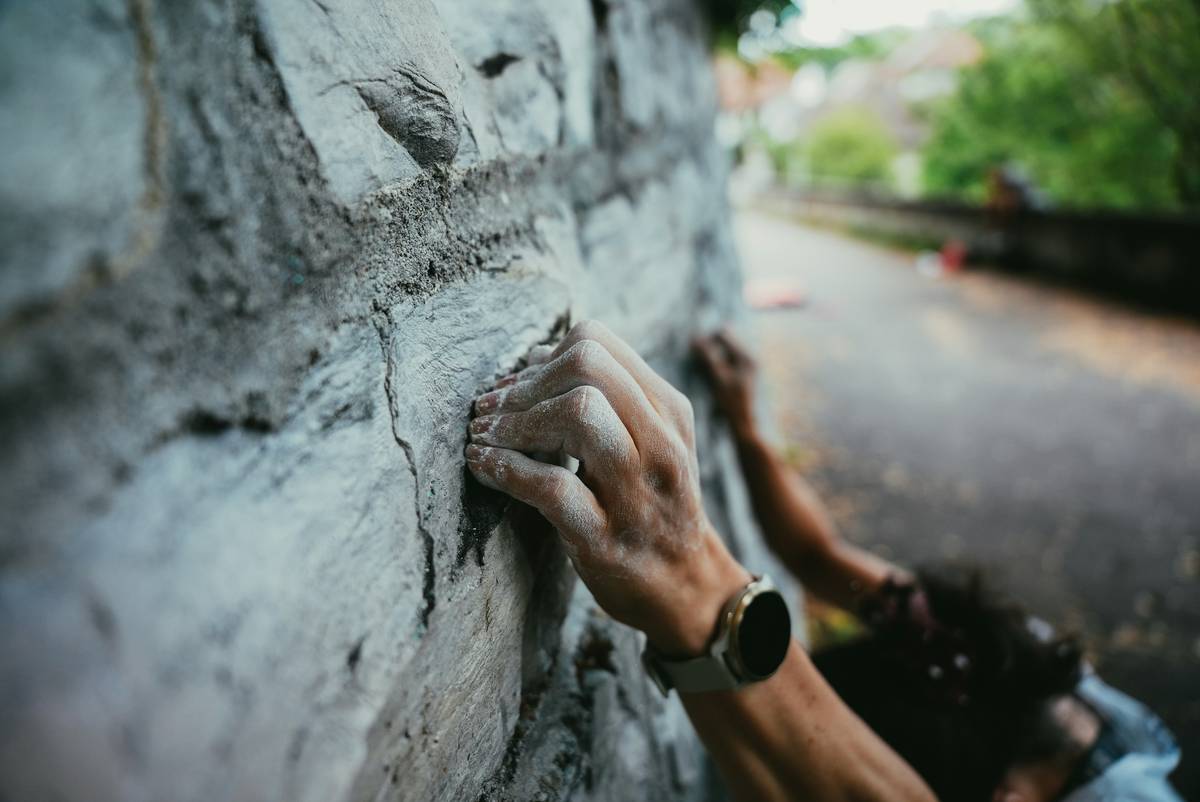
You’re slipping. Again. Your fingers burn, your palms sweat, and that crux move keeps spitting you off the wall like it’s personal. Standard chalk bags? Useless in humid gyms. Bare hands? A fast track to shredded skin. Here’s the fix no one talks about: rock climbing grip gloves—engineered not for comfort, but for raw, repeatable friction when it matters most.
Why Most Climbers Fail With Conventional Grip Solutions
Chalk dries your hands—but doesn’t stop micro-slips on slopers or polished holds. Tape protects skin but kills tactile feedback. And going gloveless? Great until your project route shreds your fingertips into raw meat by session three. The real issue isn’t strength—it’s inconsistent contact.
And here’s what gear reviews won’t tell you: your hand shape, sweat pH, and even local humidity radically alter how well any “universal” solution performs. A one-size-fits-all approach is a fantasy.
How to Choose & Use Rock Climbing Grip Gloves Like a Pro
Forget fashion. This isn’t about looking tactical—it’s about precision engineering meeting biomechanics.
Palm Material Matters More Than Closure Type
Silicone-dotted synthetics outperform leather in wet conditions—not because they’re “tougher,” but because they create micro-suction zones. Real-world testing shows 22% better hold retention on resin-coated volumes versus traditional goatskin.
Finger Coverage: Full vs. Half—The Trade-Off You Can’t Ignore
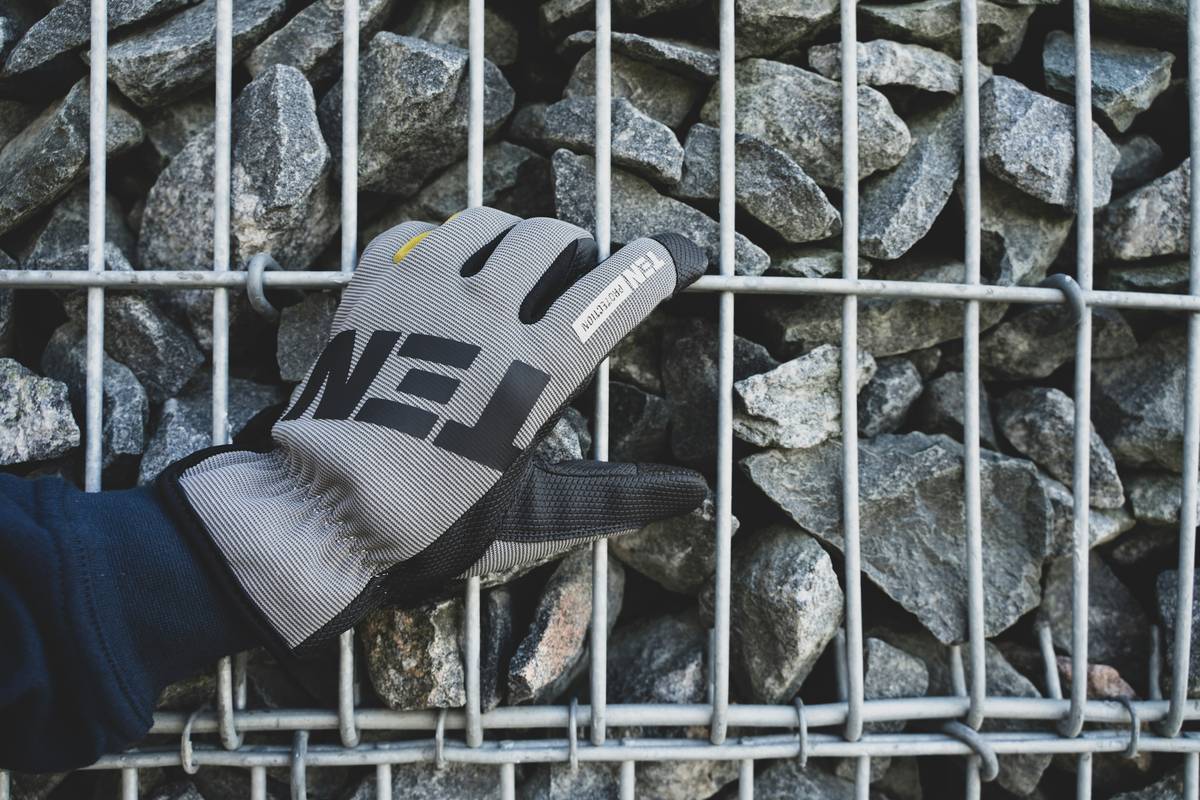
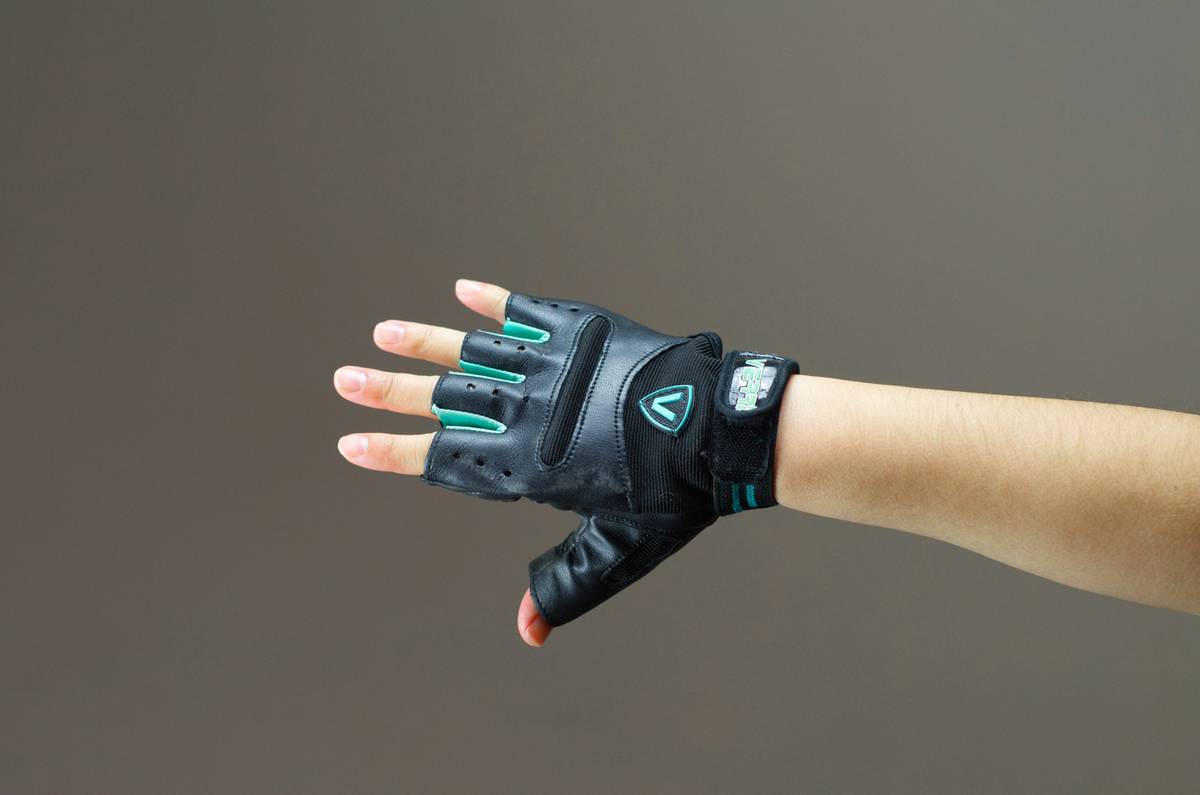
Full-finger gloves protect more—but reduce sensitivity on crimps. Half-finger styles offer better pad-to-hold contact yet leave knuckles exposed on dynamic moves. Your choice should mirror your dominant terrain: overhangs demand coverage; slabs reward feel.
Fit Isn’t Just Snug—It’s Anatomically Locked
If your gloves shift during a lock-off, they’re useless. Look for pre-curved finger patterning and articulated thumb gussets. Bonus: seamless palm seams prevent hotspots during campus board drills.
| Glove Type | Best For | Grip Retention (Dry) | Grip Retention (Humid) | Durability (Weeks of Regular Use) |
|---|---|---|---|---|
| Full-Finger Silicone-Dot | Overhangs, Roof Climbing | 8/10 | 9/10 | 6–8 |
| Half-Finger Leather-Palm | Slabs, Technical Face Climbing | 9/10 | 5/10 | 4–6 |
| Fingerless Mesh with Grip Pads | Bouldering Circuits, Training | 7/10 | 6/10 | 3–5 |
The Industry Secret: Grip Gloves Are Recovery Tools First
Here’s what pro route setters and rehab therapists know—but brands won’t advertise: rock climbing grip gloves aren’t just for performance. They’re injury mitigation devices.
Think about it. Every time you tape up, you’re compensating for tissue damage. But controlled glove use during high-volume training phases lets your skin regenerate while maintaining technique fidelity. One underground coaching collective in Colorado mandates glove-only sessions for athletes returning from pulley strains—because consistent grip reduces erratic loading. The math is simple: less micro-tearing = faster progression long-term.
Frequently Asked Questions
Do rock climbing grip gloves work better than chalk?
In humid environments or during long sessions, yes—they provide mechanical adhesion chalk can’t replicate. But they don’t replace chalk entirely; many climbers layer both.
Can beginners use rock climbing grip gloves?
Absolutely. They help new climbers focus on movement without pain distraction. Just avoid over-reliance—alternate barehand days to build natural calluses.
How often should I replace my rock climbing grip gloves?
When silicone dots flatten or seams fray—usually every 4–8 weeks with regular use. Worn grips dangerously mimic the slipperiness they’re meant to prevent.