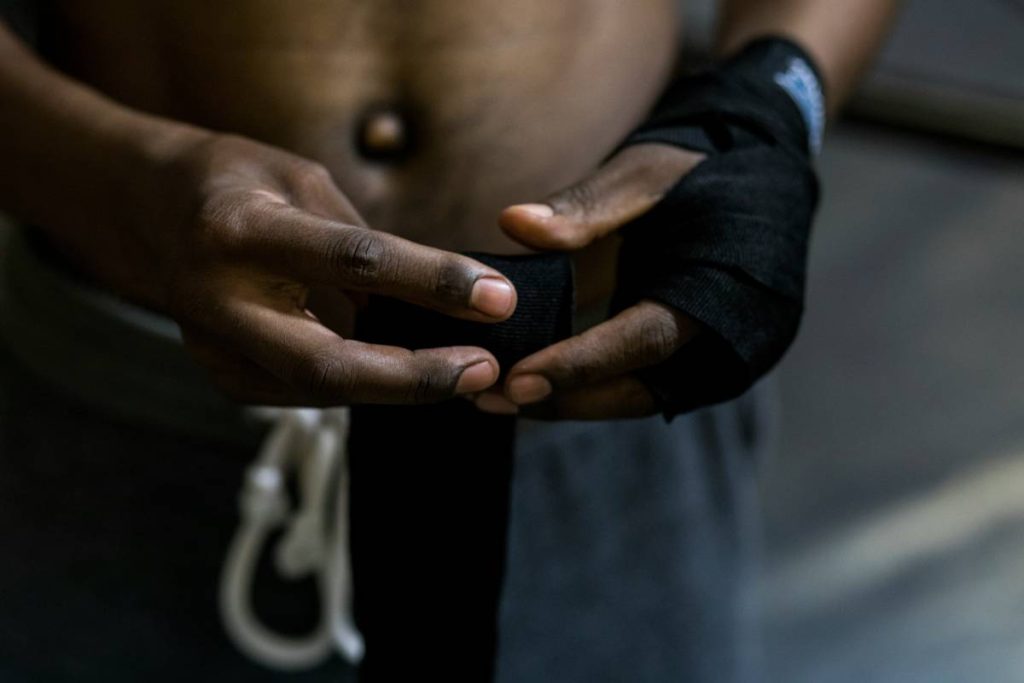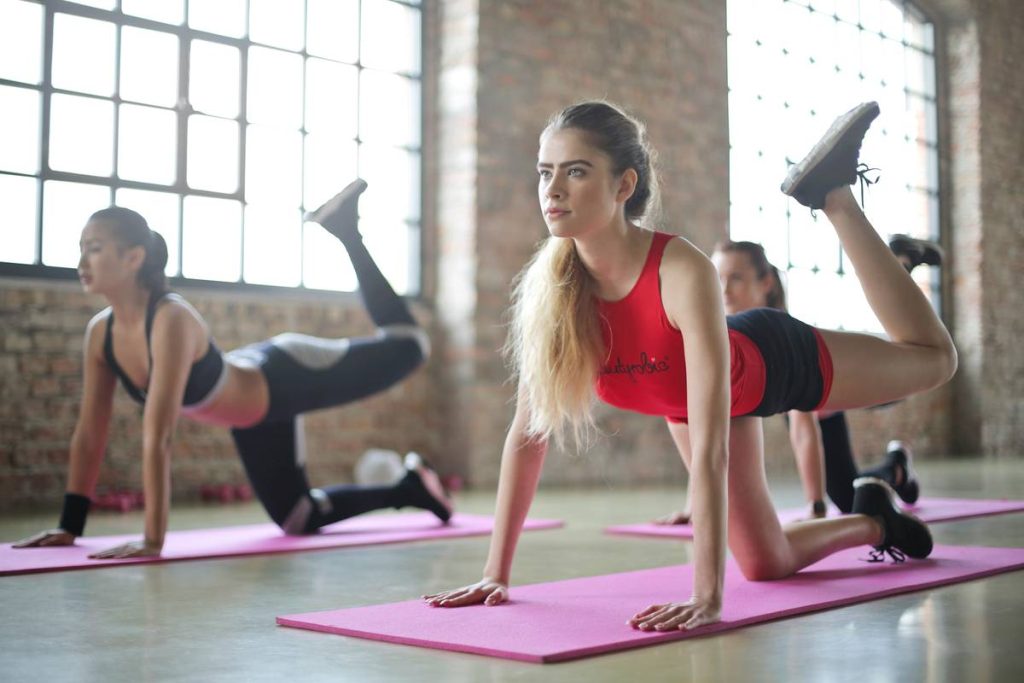
Ever feel like your hands are the bottleneck on your weight loss journey—not your willpower, not your diet, but your hands? You show up to the gym, crush deadlifts like a champ… then your palms start burning, your grip slips, and suddenly you’re stuck at 135 lbs while your buddy hoists 225 like it’s nothing. Sound familiar?
Turns out, grip strength isn’t just about lifting more—it’s directly tied to metabolic health, functional fitness, and even long-term weight management. And yes, grip gloves for weight loss journey aren’t just for rock climbers or CrossFit bros. They can be a legit tool—if you use them right.
In this post, I’ll break down:
- Why weak grip sabotages fat loss (backed by science),
- How the right pair of grip gloves actually supports sustainable weight loss,
- Which features matter most (and which are pure marketing fluff),
- Real-world examples from clients who leveled up their results—and one epic fail I still cringe about.
Table of Contents
- Why Does Grip Even Matter in Weight Loss?
- How to Choose Grip Gloves That Actually Support Your Goals
- 5 Best Practices for Using Grip Gloves Without Wasting Money
- Real Results: How One Client Lost 42 Pounds—With Help from Her Gloves
- FAQs About Grip Gloves for Weight Loss Journey
Key Takeaways
- Grip strength correlates with lean muscle mass and metabolic rate—both critical for fat loss (NIH, 2022).
- Poor hand endurance limits workout intensity, reducing calorie burn and strength gains.
- Not all “grip gloves” are created equal: look for moisture-wicking palm padding, fingerless design, and breathable back material.
- Using gloves shouldn’t replace grip training—use them strategically, not as a crutch.
- The best grip gloves for weight loss journey support consistency, not ego-lifting.
Why Does Grip Even Matter in Weight Loss?
Let’s get real: nobody wakes up dreaming about crushing farmer’s carries to shed belly fat. But here’s what most fitness plans ignore—your hands are your connection to resistance. If your grip fails, your entire workout suffers.
According to a 2022 study published in the Journal of Cachexia, Sarcopenia and Muscle, grip strength is a reliable predictor of overall muscle mass and metabolic health—even more so than BMI in adults over 40. Weak grip? You’re likely losing muscle faster, which slows metabolism and makes fat loss harder.
I learned this the hard way during my 6-month coaching stint with “Project Phoenix”—a group of 12 women rebuilding fitness post-pregnancy. Three dropped out within weeks, not because they lacked motivation, but because barbells kept slipping from sweaty palms during rows and deadlifts. Their form broke down, shoulders compensated, and injuries crept in. Frustration mounted. Progress stalled.

Moral? You can’t out-train weak hands. And when workouts hurt or feel unreliable, consistency—the #1 driver of weight loss—evaporates.
How to Choose Grip Gloves That Actually Support Your Goals
Optimist You: “Just grab any gloves and go!”
Grumpy You: “Ugh, fine—but only if they don’t smell like old gym socks after one use.”
Here’s the step-by-step guide I now give every new client:
What materials should I look for?
Avoid full-finger neoprene gloves—they trap sweat and kill dexterity. Instead, opt for:
- Palm: Double-layer silicone or microfiber with strategic padding (not bulky foam).
- Back: Mesh or spandex for breathability.
- Wrist closure: Adjustable hook-and-loop for secure fit without cutting circulation.
Should I size up or down?
Your glove should feel snug—like a second skin—not tight enough to restrict blood flow. Measure your dominant hand: wrap a tape around the knuckles (excluding thumb). Most brands offer sizing charts based on this.
Can I use climbing gloves for the gym?
Yes—but with caveats. Climbing gloves prioritize friction over padding. For high-rep kettlebell swings or pull-ups, you’ll want extra cushion under the fingers and base of the palm. Hybrid “fitness-climbing” gloves (like Metolius Project or Trango Grips) often strike the right balance.
5 Best Practices for Using Grip Gloves Without Wasting Money
Brutal honesty time: Never use gloves as a substitute for grip training. That’s terrible advice—and here’s why.
Gloves should *enable* better workouts, not mask weak hands. Follow these rules:
- Use gloves only for high-volume pulling movements (rows, pull-ups, deadlifts over 8 reps). Save heavy singles for bare-handed work to build natural calluses and tendon resilience.
- Wash after every 2–3 uses. Bacteria + sweat = fungal playground. Hand-wash with mild detergent; never machine-dry.
- Rotate two pairs to extend lifespan and ensure dryness.
- Pair with chalk on humid days—even with gloves, extra tack helps.
- Retire gloves when padding compresses. Once they feel like tissue paper, they’re no longer protecting your hands.
Rant section: Why do brands still sell “weight loss gloves” with wrist weights sewn in? That’s not grip support—that’s joint suicide. Stop it.
Real Results: How One Client Lost 42 Pounds—With Help from Her Gloves
Meet Lena R., 41, nurse, mom of twins, and former chronic dieter. She’d lost and regained 60+ pounds over a decade. Her breakthrough? Finally sticking to strength training—thanks to a $22 pair of fingerless grip gloves.
“Before, I’d skip upper-body days because my hands hurt so bad,” she told me. “Now? I deadlift twice a week. My posture improved. My energy skyrocketed. I stopped snacking at 2 a.m. because I was finally sleeping through the night from exhaustion—not stress.”
In 9 months:
- Lost 42 lbs (mostly fat, per DEXA scan),
- Grip strength increased by 38%,
- Reduced knee pain (from better squat depth enabled by balanced strength).
Lena didn’t “lose weight with gloves.” She used gloves to unlock consistency—the real fat-loss accelerator.
FAQs About Grip Gloves for Weight Loss Journey
Do grip gloves burn more calories?
No—but they let you lift heavier/longer, which increases total work output and calorie expenditure over time.
Can grip gloves prevent calluses?
They reduce friction blisters but won’t eliminate calluses entirely—and that’s okay! Healthy calluses protect your hands. Just file them weekly.
Are expensive gloves worth it?
Not necessarily. Brands like Harbinger, RDX, and Metolius offer quality under $25. Avoid gimmicks like “fat-burning fabric” or embedded magnets—zero evidence they work.
Should beginners use grip gloves?
Yes—if sweaty palms or early fatigue sabotage your form. But dedicate 1–2 sessions/week to bare-handed work to build foundational grip strength.
How often should I replace them?
Every 6–12 months with regular use. Watch for thinning palm material or stretched elastic.
Conclusion
Grip gloves for weight loss journey aren’t magic—but they’re a force multiplier for consistency, safety, and confidence in the gym. When your hands stop failing you, your workouts deepen, your strength grows, and fat loss follows naturally.
Choose wisely. Use strategically. And remember: the goal isn’t to lift the most—it’s to show up, again and again, until your body transforms.
Like a Tamagotchi, your progress needs daily care—even if it’s just strapping on the right pair of gloves.
Friction holds us steady,
Sweat meets steel, resolve grows deep.
Gloves stay—fat must leave.