Climbers trust their lives to gear—but overlook the very tools that anchor every move: their hands. Raw skin, torn calluses, and nerve fatigue aren’t badges of honor; they’re signs you’re using the wrong types of climbing protection. The solution isn’t just thicker padding—it’s precision-engineered defense where it matters most.
Why Standard Climbing Gloves Fail Miserably
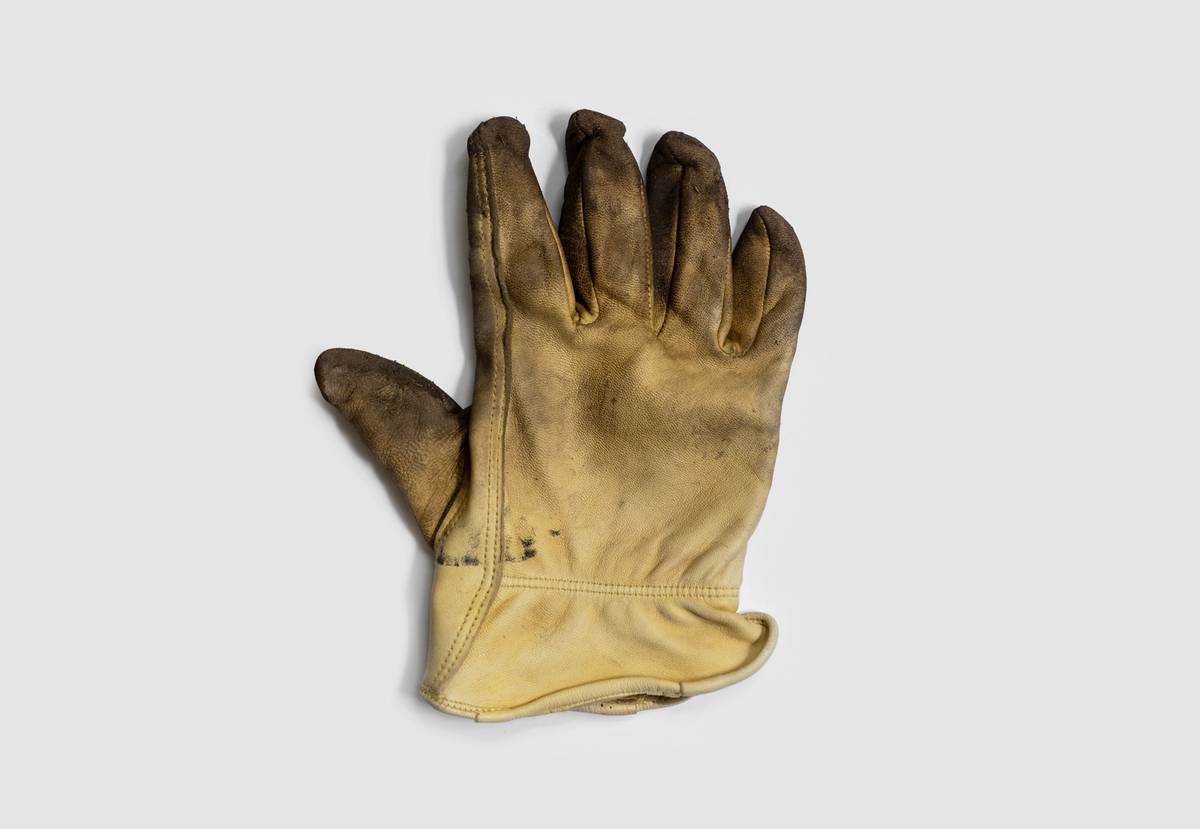
Most “climbing gloves” sold online are repurposed workwear—bulky, numb, and slick on granite. They sacrifice tactile feedback for false comfort. And that kills performance. Real climbing demands micro-grip awareness. A 0.5mm edge feels like a ledge—if your gloves don’t transmit that signal, you’re guessing, not climbing.
Worse? Many gloves trap sweat. Damp palms = slippage. Slippage = falls. It’s physics, not opinion.
Choosing the Right Hand Shield: A Practical Breakdown
Not all hand protection is created equal. The best options balance breathability, abrasion resistance, and sensory fidelity. Here’s how leading solutions stack up:
| Type | Material | Grip Sensitivity | Durability (Avg. Sessions) | Best For |
|---|---|---|---|---|
| Fingerless Climbing Gloves | Goatskin + Mesh Back | High | 40–60 | Bouldering, Crack Climbing |
| Full-Finger Tactical Gloves | Kevlar-Reinforced Nylon | Low-Medium | 80+ | Big Wall Hauling, Aid Climbing |
| Tape + Minimalist Shields | Zinc Oxide Tape + Silicone Pads | Very High | 1–3 (per application) | Competition, Technical Face Climbing |
| Hybrid Hand Wraps | Elasticated Cotton + Rubber Grip Zones | Medium-High | 25–35 | Multi-Pitch Trad, Mixed Terrain |

Fingerless vs. Full Coverage: The Trade-Off No One Talks About
Fingerless designs dominate sport climbing—not because they’re tougher, but because they preserve fingertip sensitivity. But in cold or abrasive environments (think desert sandstone), you’ll shred skin fast. Full-finger variants shield better but mute crucial texture cues. The compromise? Layer strategically.
The Hidden Role of Palm Padding Density
Too soft? Your palm compresses, reducing leverage. Too firm? Impact shock travels up your arm—hello, elbow tendinitis. Ideal density sits between 3–5mm of dual-layer foam with perforated zones. Look for brands that test impact dispersion, not just “comfort.”
Breathability Isn’t Optional—It’s Safety
Microporous membranes (like eVent or proprietary mesh weaves) wick moisture while resisting abrasion. If your gloves fog up mid-route, you’ve already lost control. Period.
The Industry Secret: Pros Don’t Wear Gloves—They Engineer Micro-Protection
Elite climbers rarely use full gloves. Instead, they apply targeted shields: silicone patches over high-friction knuckles, tape only on split-prone pads, and custom-fit neoprene sleeves for wrist stability. This “modular armor” philosophy delivers maximum feel with minimal bulk. One Red River Canyon guide I spoke with swears by DIY silicone molds—he pours them himself after mapping his own stress points. Sounds obsessive? Maybe. But he hasn’t peeled skin in 18 months.
The math is simple: less material where you don’t need it means more precision where you do.
FAQ: Real Questions from Climbers
Do I need gloves for indoor bouldering?
No—if your skin is conditioned. But if you’re new or climbing back-to-back sessions, lightweight fingerless gloves prevent early blowouts.
Can climbing gloves replace chalk?
Absolutely not. Chalk manages moisture; gloves manage abrasion. Using gloves without chalk in humid gyms = sweaty disaster.
How often should I replace my climbing hand protection?
When seams fray, padding flattens, or grip zones glaze over. Typically every 30–50 sessions. Don’t wait for holes—performance degrades before failure.